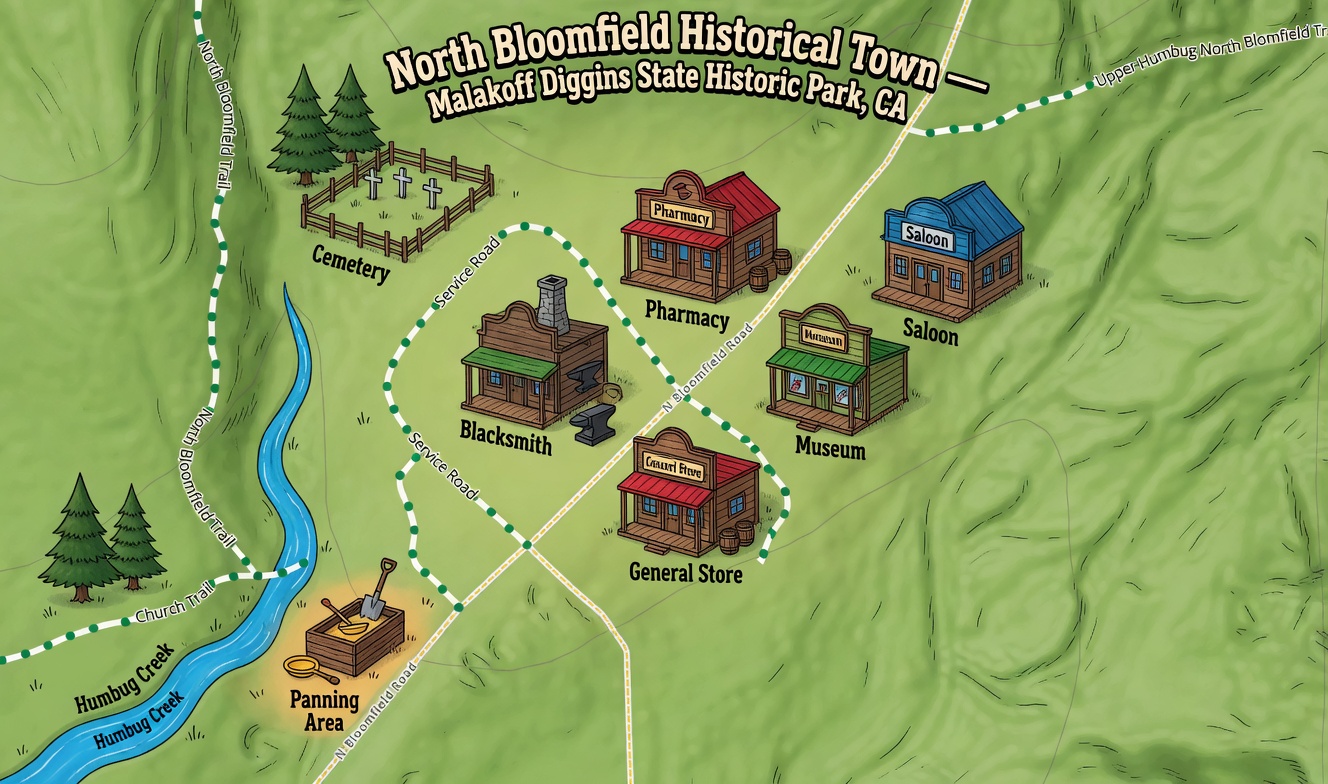
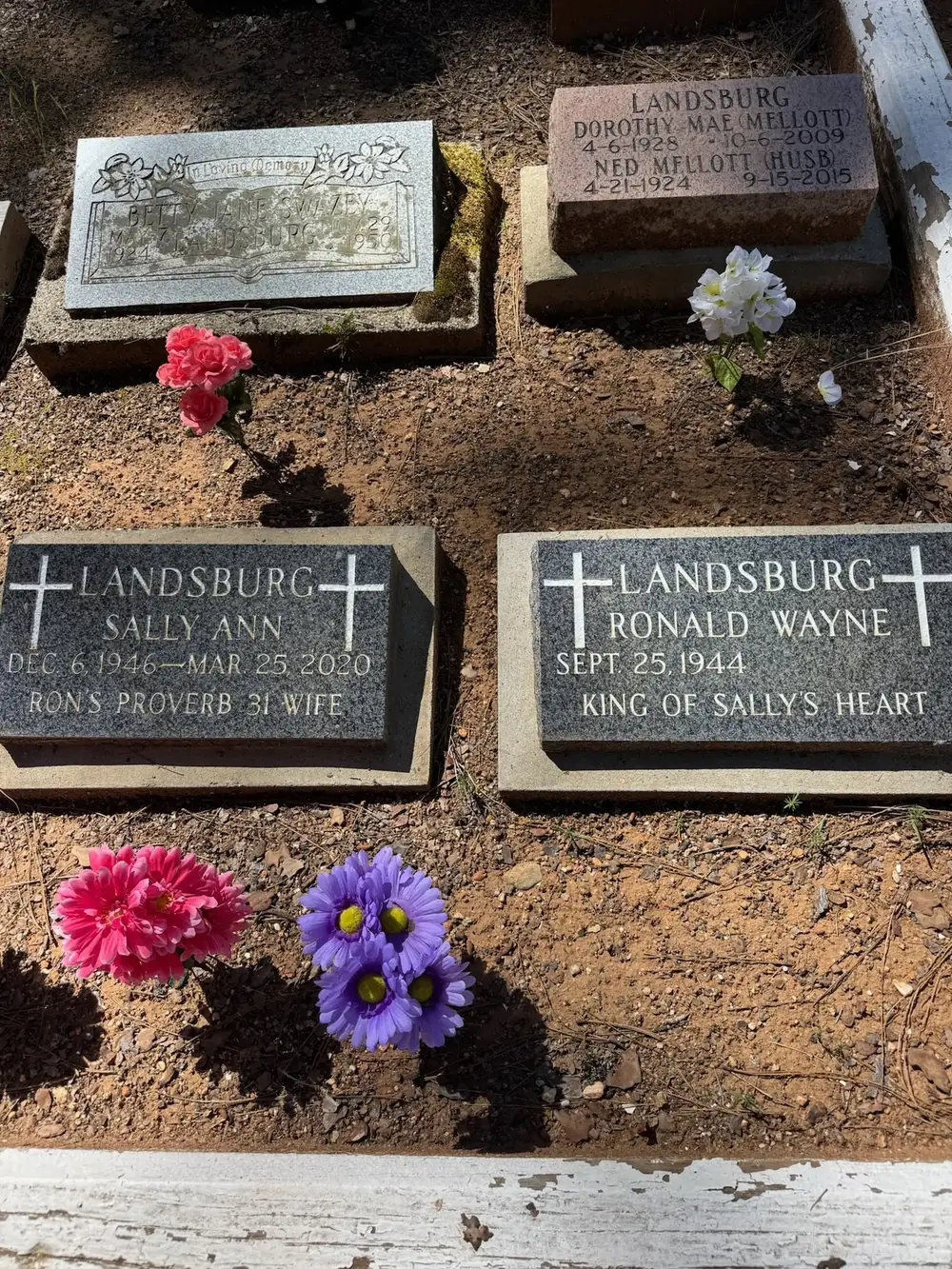
Cemetery
Pharmacy
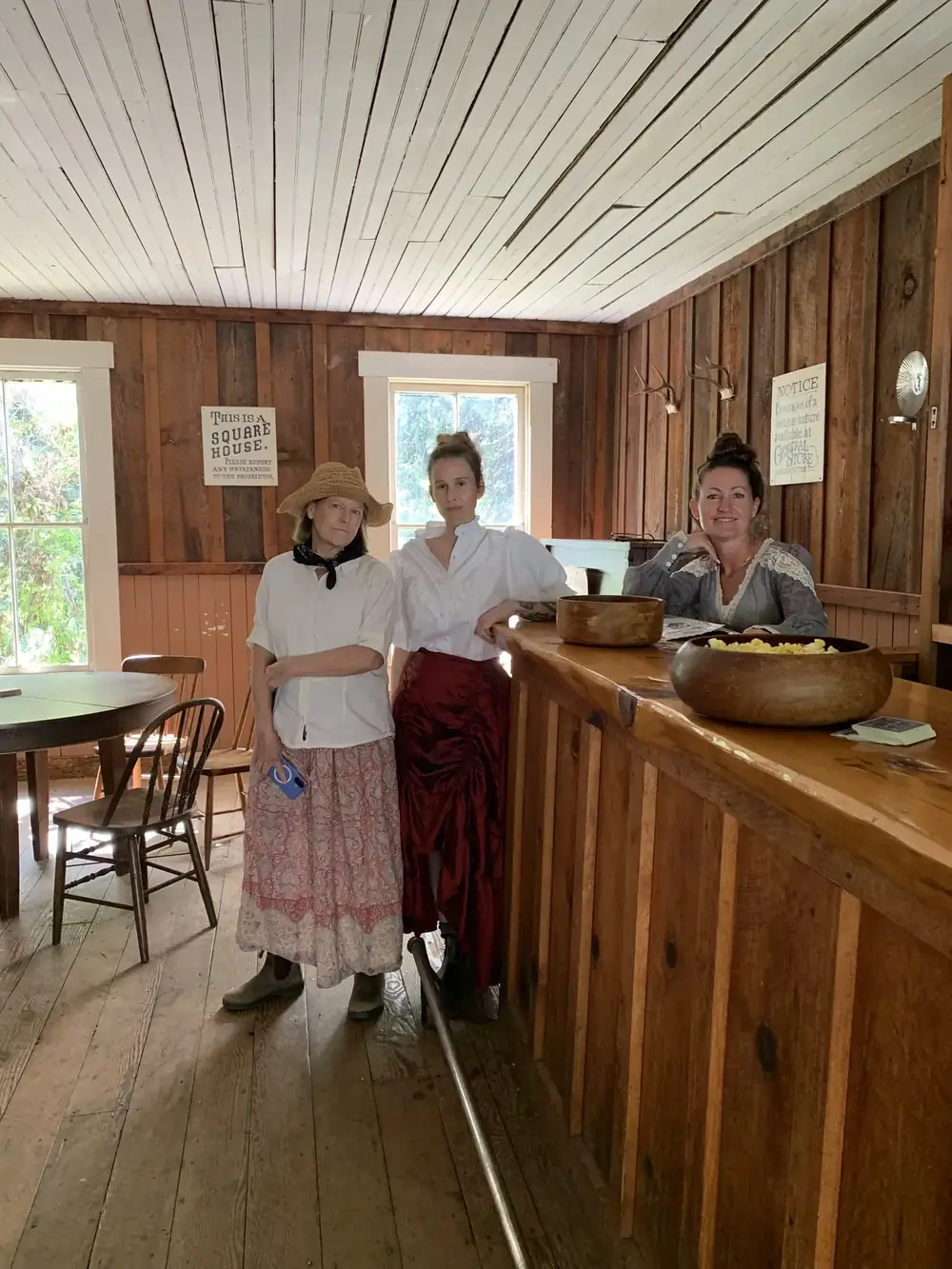
Kings Saloon
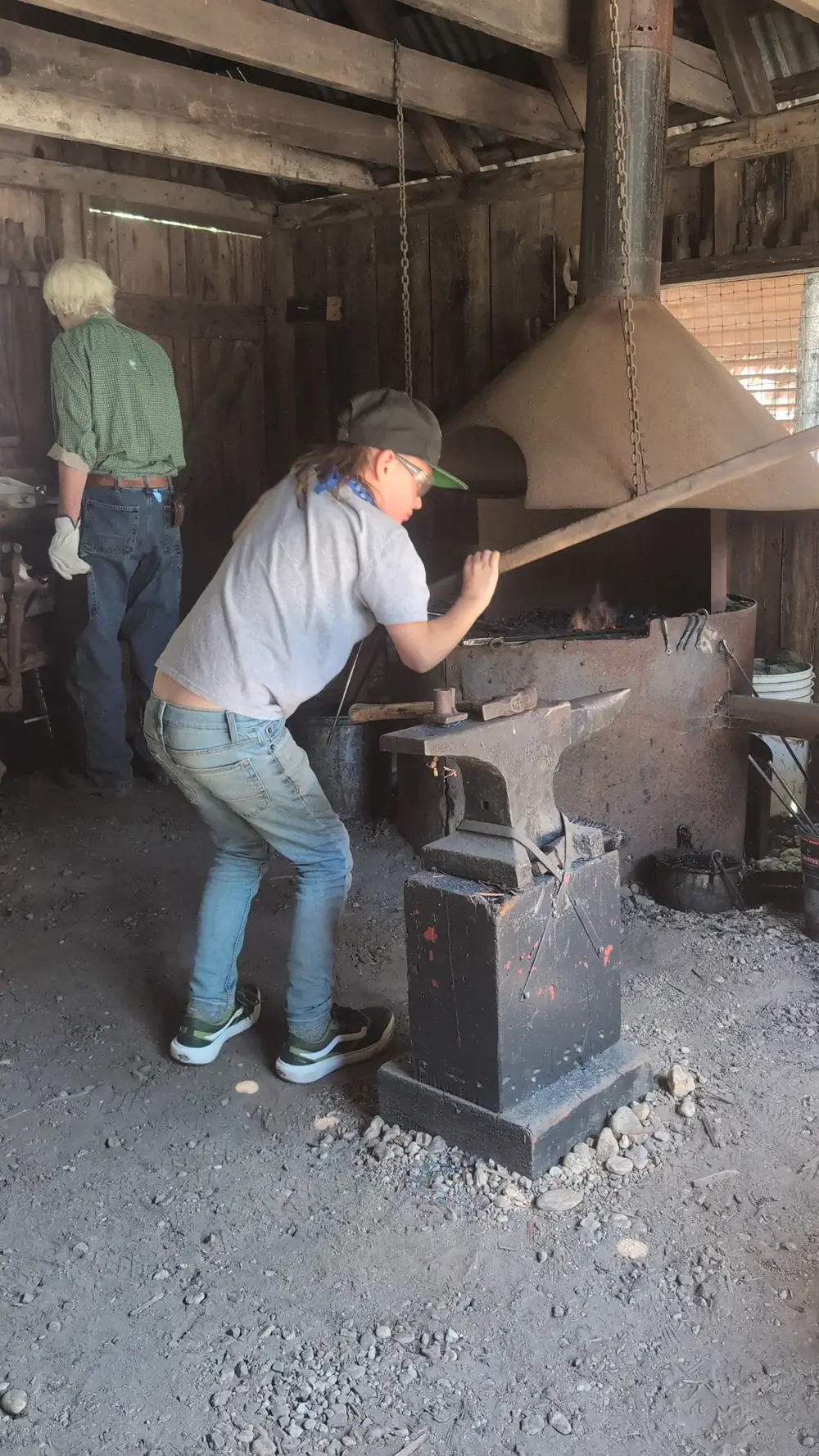
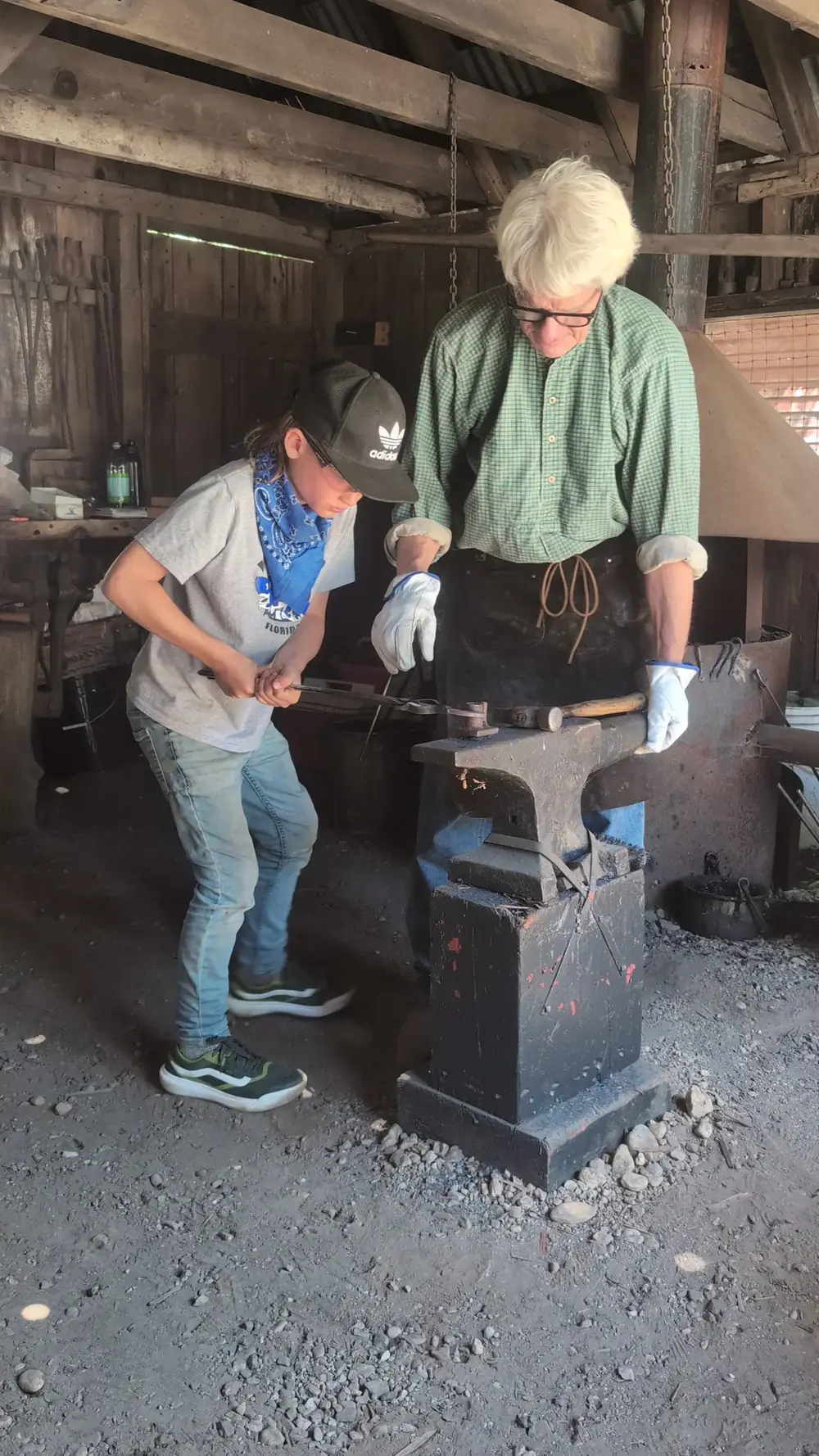
Blacksmith Shop
Museum
General Store
Schoolhouse
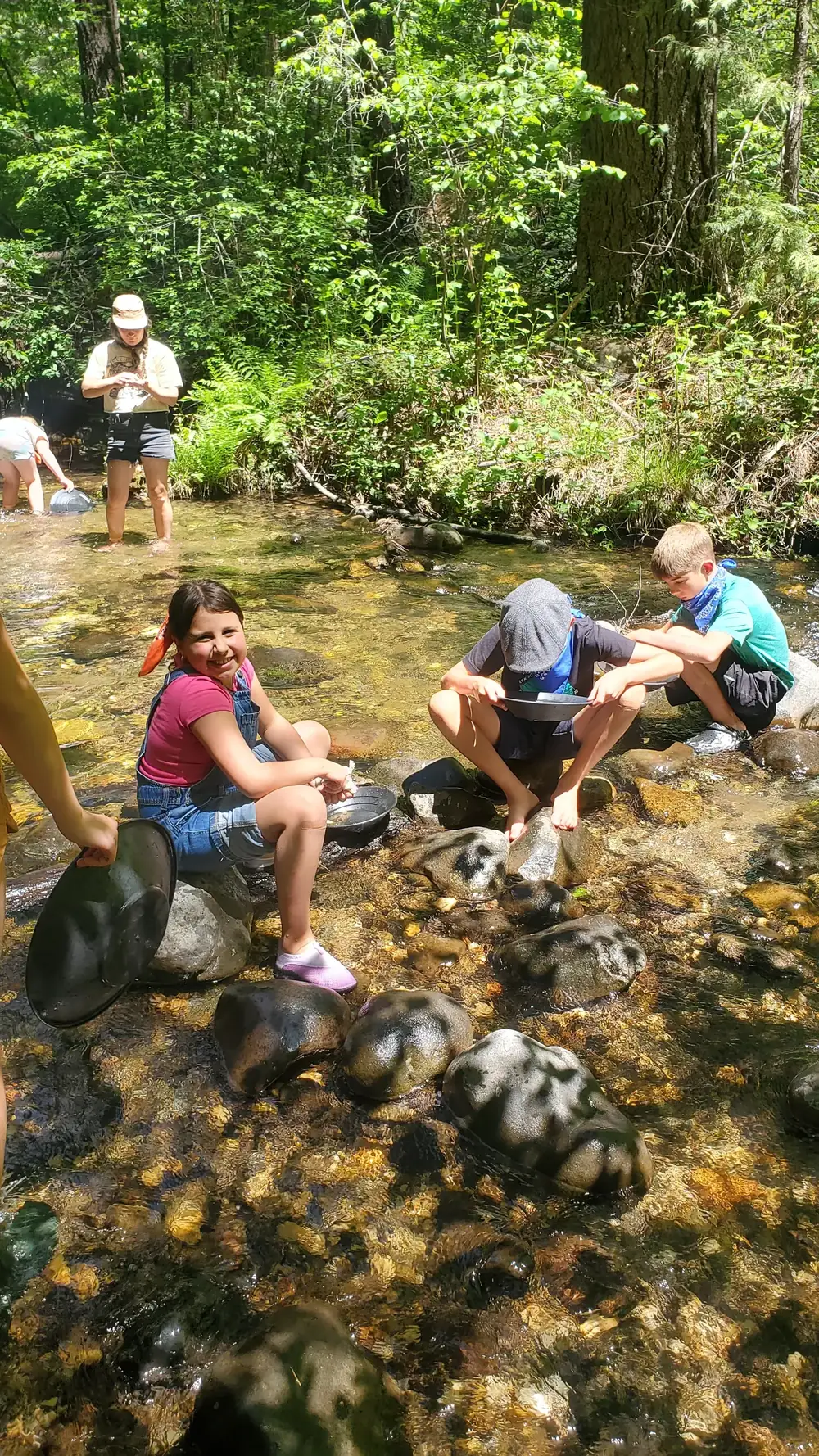
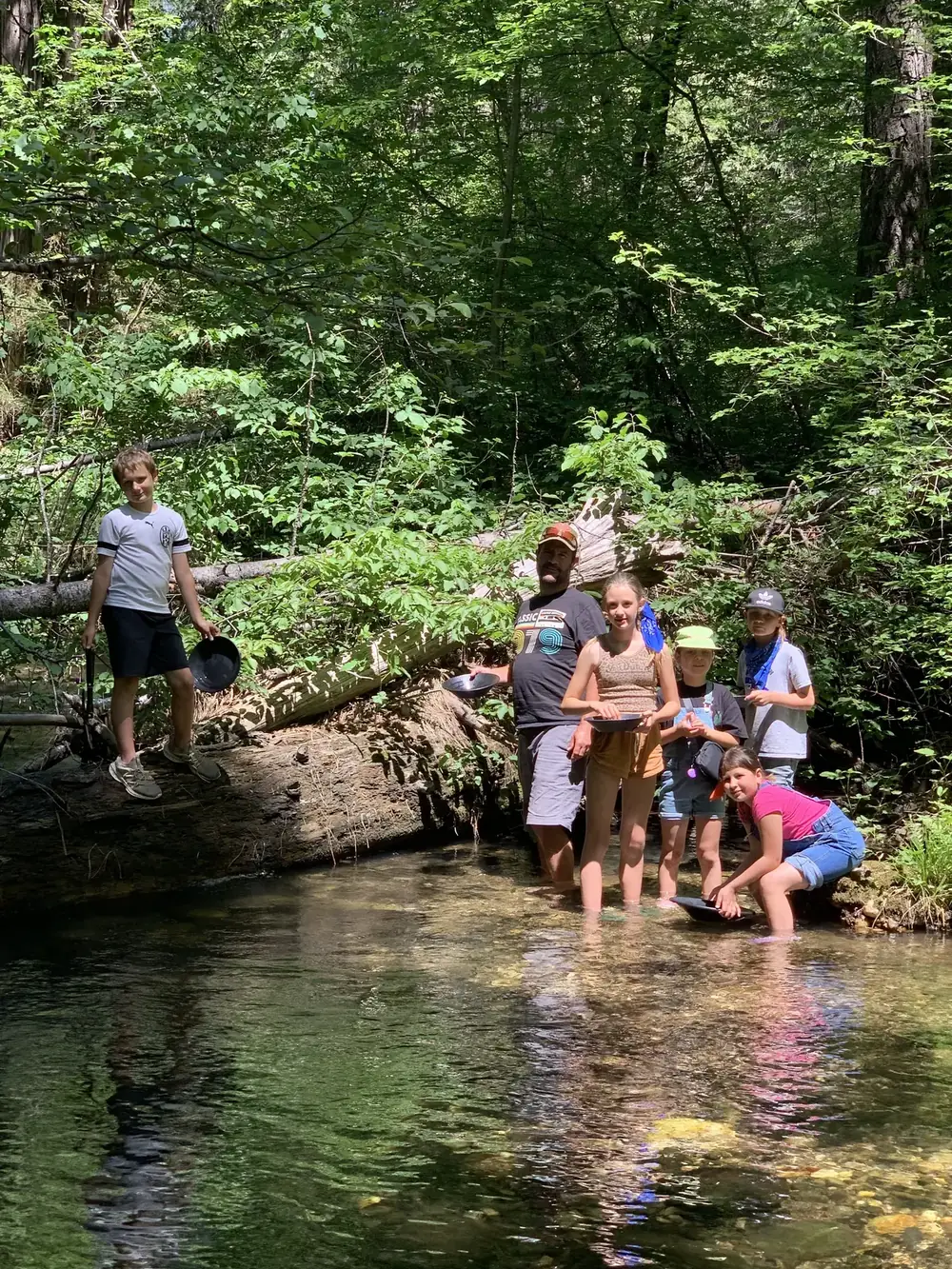
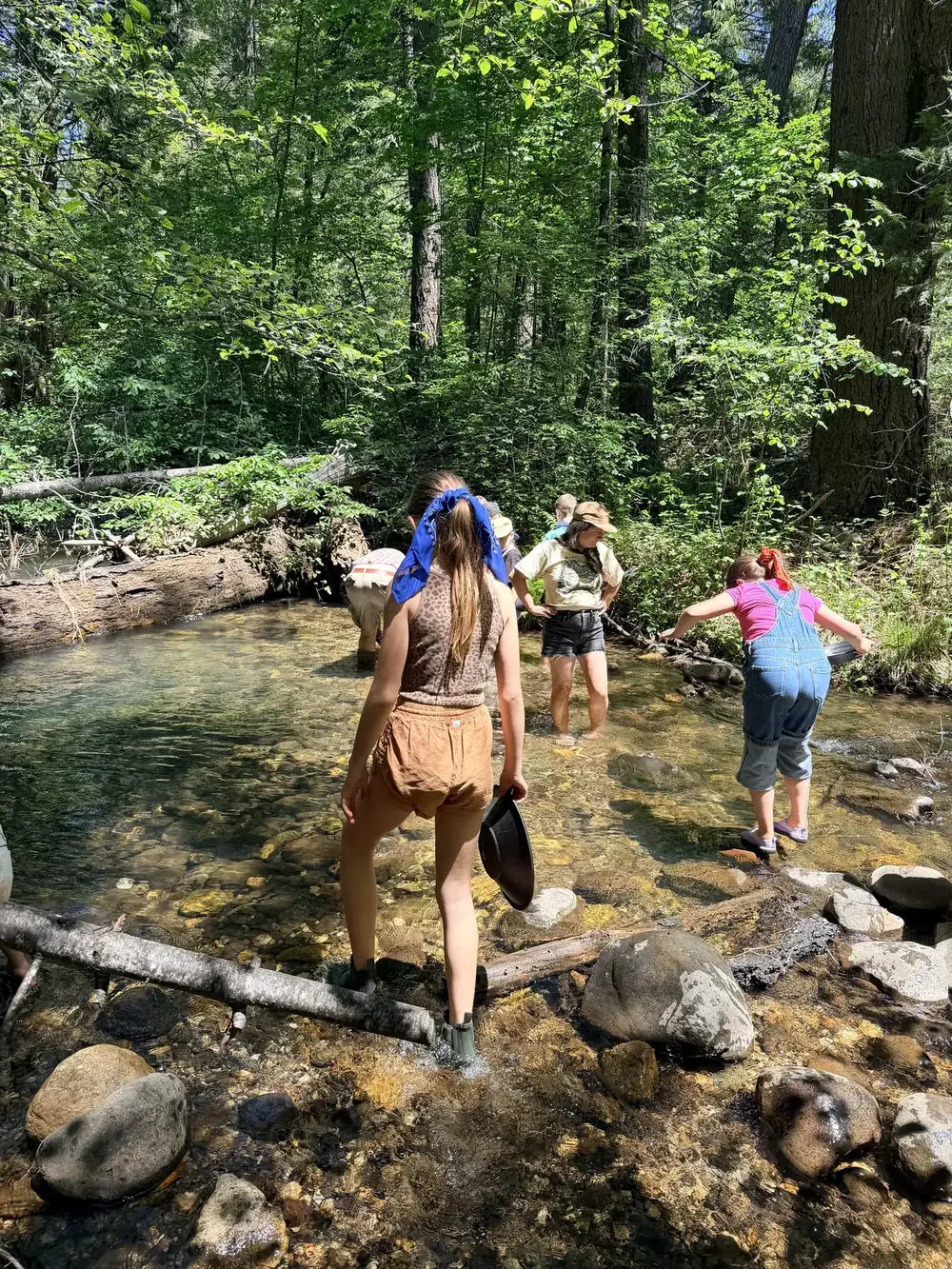
Panning Area
One of seven (maybe nine) saloons in North Bloomfield at its peak. Originally built in 1860 as an express office; Jack King remodeled it as a saloon between 1873–1875. The building you see today was reconstructed in 1974 from historic photographs.
Beer cost 5 cents a glass — kept in the basement with no refrigeration. Hard liquor had to be imported from Sacramento or San Francisco. A half-pint of whiskey might cost $2.00 — nearly a miner's daily wage.
Women were scarce in town. Saloon owners paid women $20–$40 a day just to be present and talk to miners. Lola Montez — who had ruled Bavaria and once plotted to make California her own kingdom — held court here.
The kids witnessed a staged brawl between pro-mining miners and outraged farmers from the Central Valley — a preview of the Town Hall debate to come.
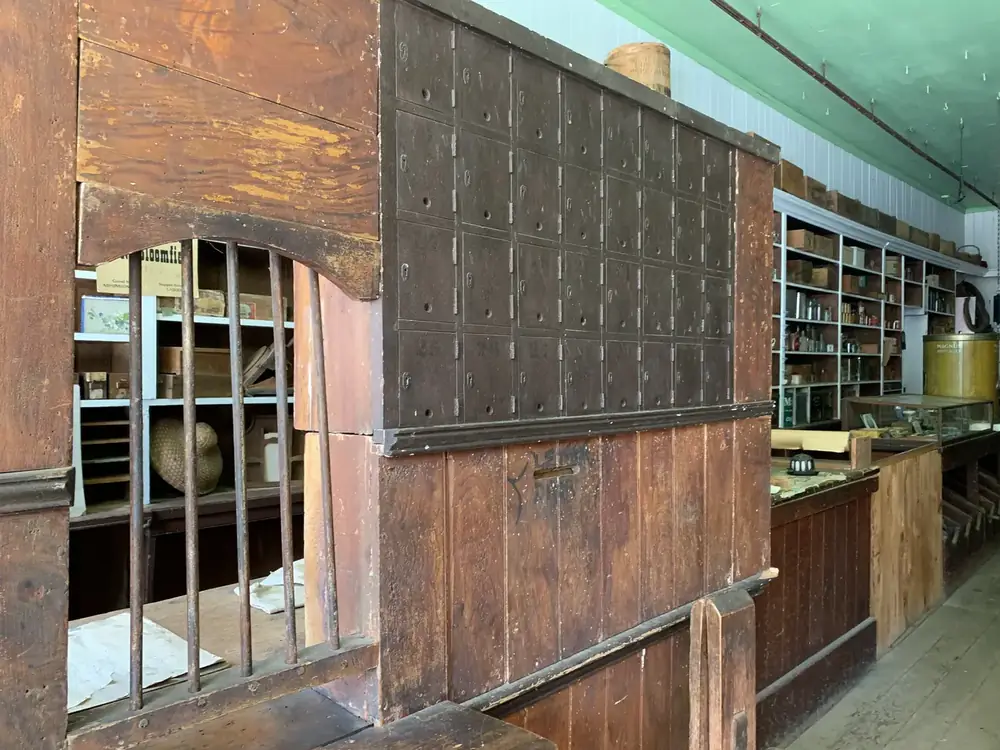
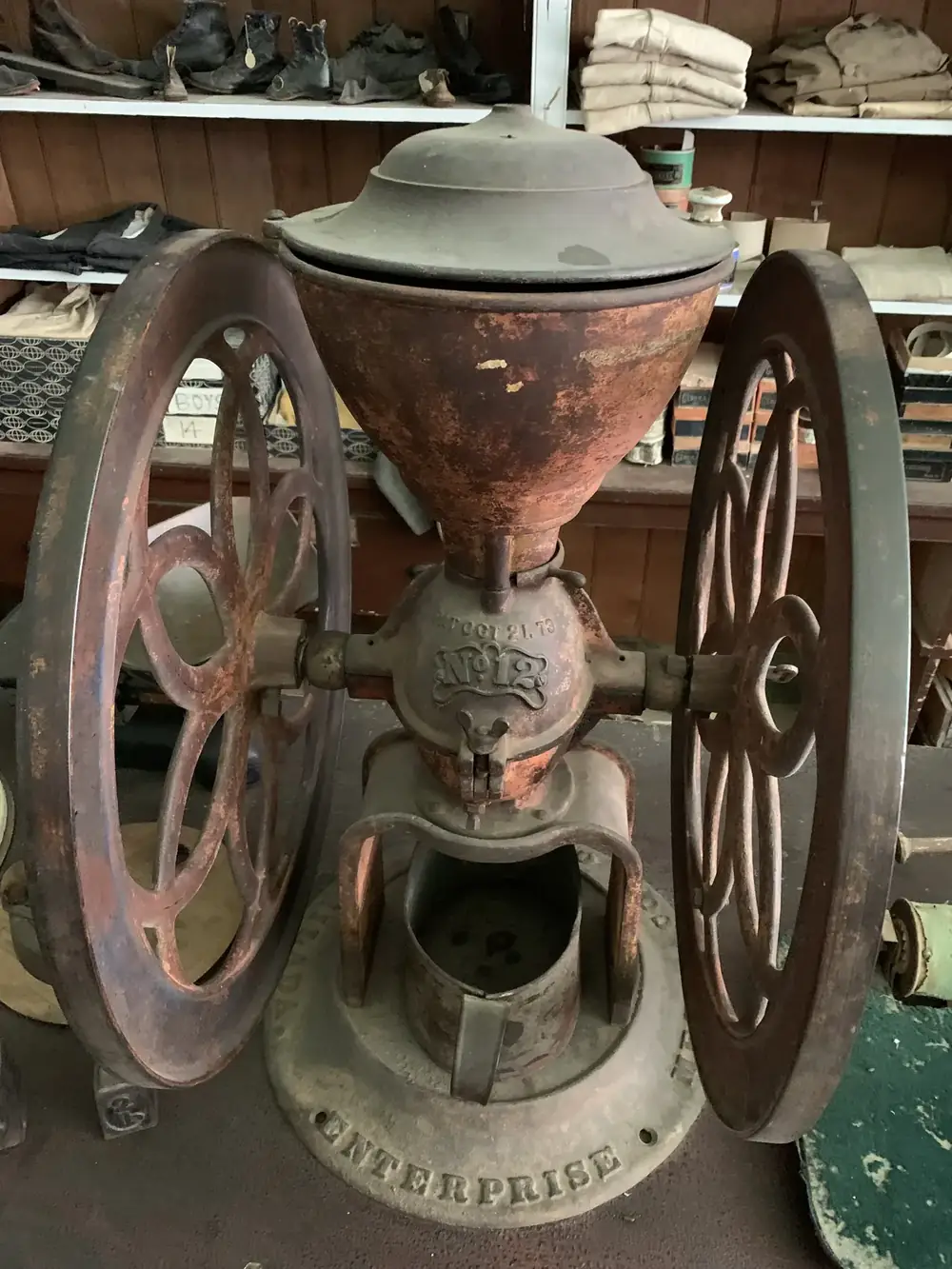
The main room dates to 1856. Gold was the currency — every counter had scales for weighing it. The store sold Levis (Levi Strauss made the first pair for Gold Rush miners), kerosene, ammunition, mining supplies, canned meat, medications, and soap. Vegetables were NOT sold here — those came from the Chinese gardens down the road.
In the basement: two large barrels of whiskey, free to any miner who wanted a drink after a long day. Ladies met at the post office window inside to exchange gossip. The daily arrival of the stage was the most exciting moment of the day.
The store officially closed in 1941, with Noni Landsburg as the last postmaster.
.webp)
.webp)
.webp)
.webp)
_result.webp)
_result.webp)
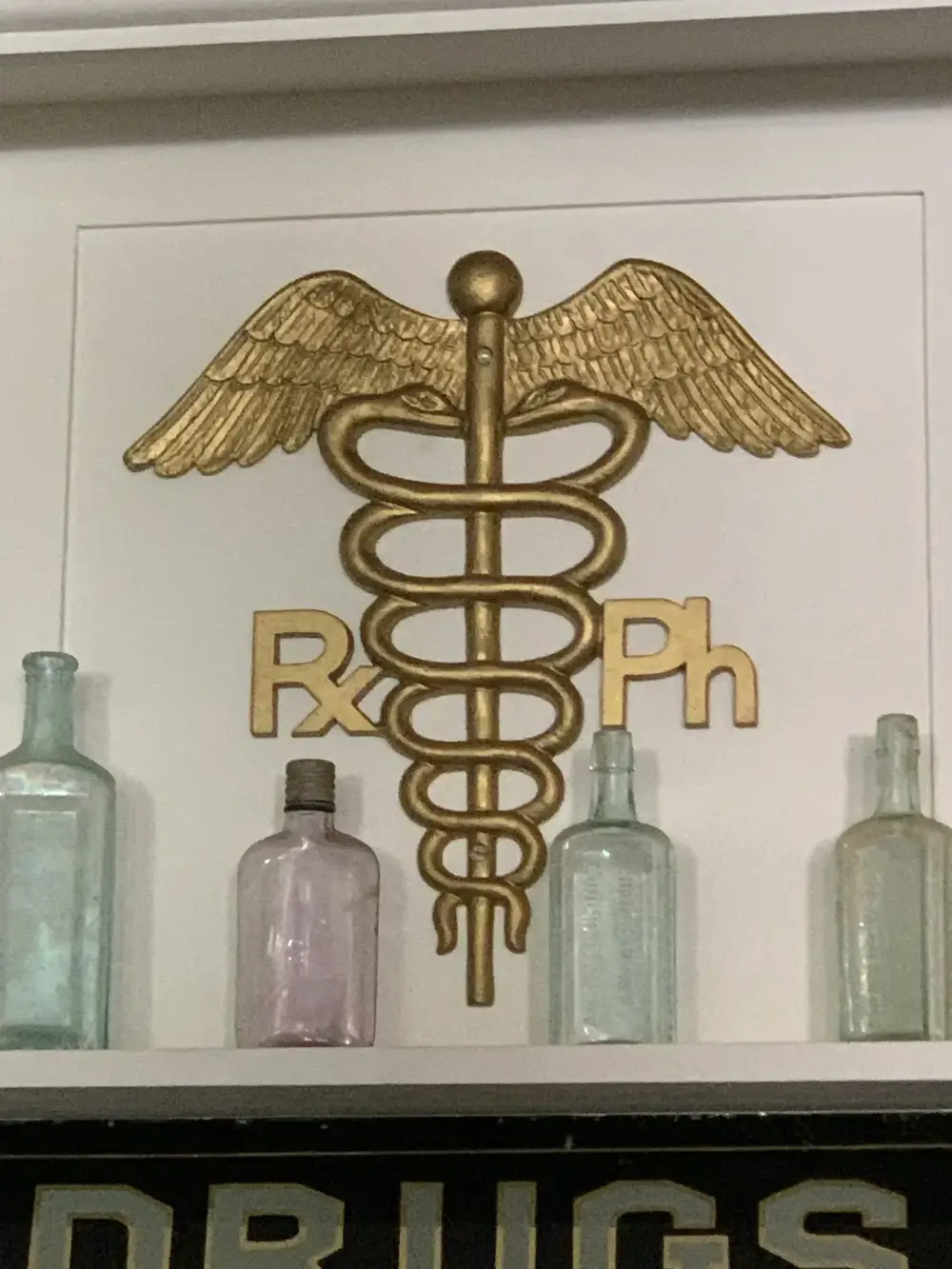
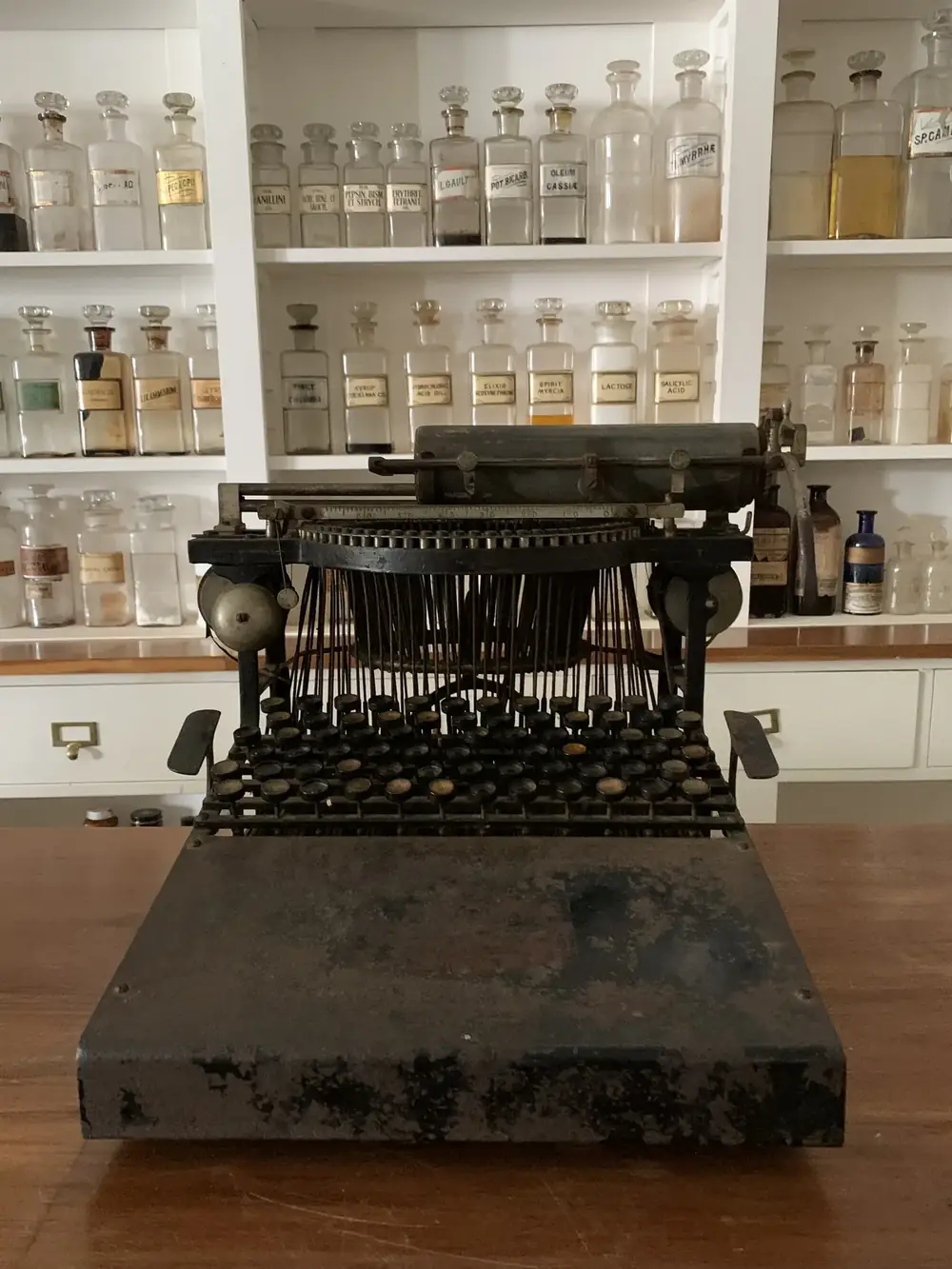
John Knotwell could fix sore muscles, stomach aches, coughs, and rashes. He was also a justice of the peace and county board supervisor. He married Nettie Smith, daughter of the store's founder, on July 20, 1881.
Many remedies of the time contained morphine — a powerful painkiller that didn't treat the illness; you just couldn't feel the pain anymore. Frontier medicine: effective, until it wasn't.
Knotwell died of pneumonia in 1901 at age 66. He is buried in the North Bloomfield Cemetery. The current building is a reconstruction completed between 1976–1984.
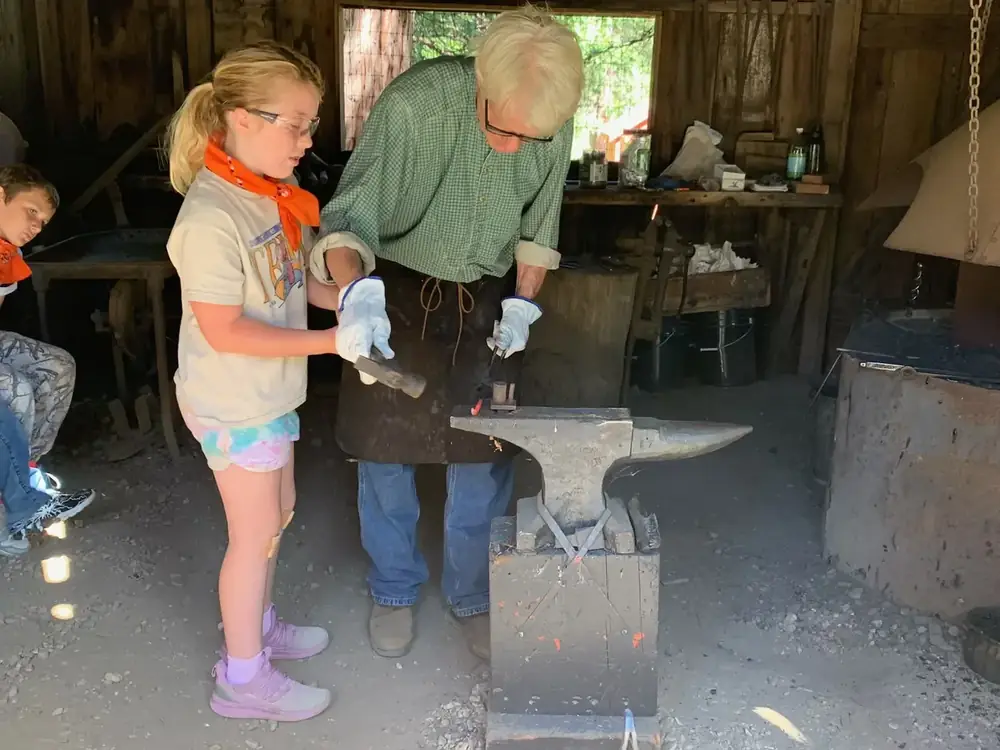
The blacksmith was the backbone of the mining operation. Without the smithy, everything stops: no monitors, no pipes, no repaired equipment. Rick the blacksmith showed the kids exactly how it worked — and then they got to work themselves.
Every student forged their own coat hook to take home. Hands in the fire, hammer on iron, something real to keep.
The Gold Rush blacksmith made and repaired hydraulic monitors (water cannons operating at 500 PSI), Penstock Pipes for the water system, horseshoes, pots, pans, and farm tools. A miner who couldn't pan gold could still strike it rich with a skilled trade.
Real people. Real stories. Some of the graves here tell more about Gold Rush life than any history book.
The kids got in the water and panned for gold — the same way miners did it starting in 1848. A few motions, the pan tilts, the water runs off. The gold, heavier than everything else, stays at the bottom. "Color" — any trace of gold — is what every miner lived for.
The mining technology evolved fast because panning was slow:
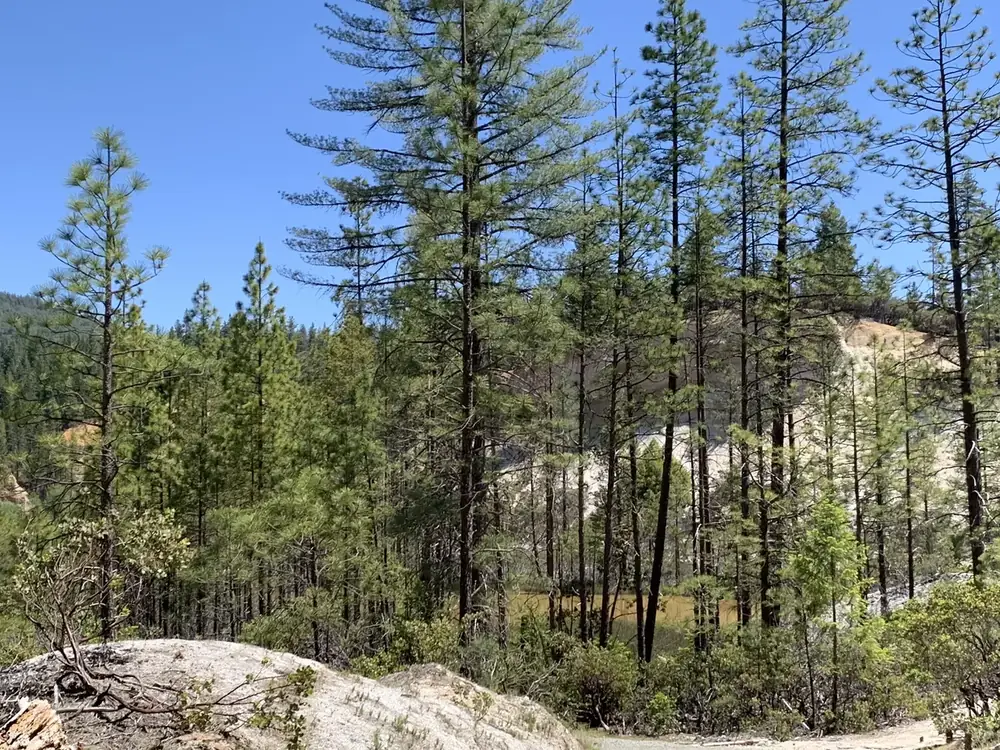
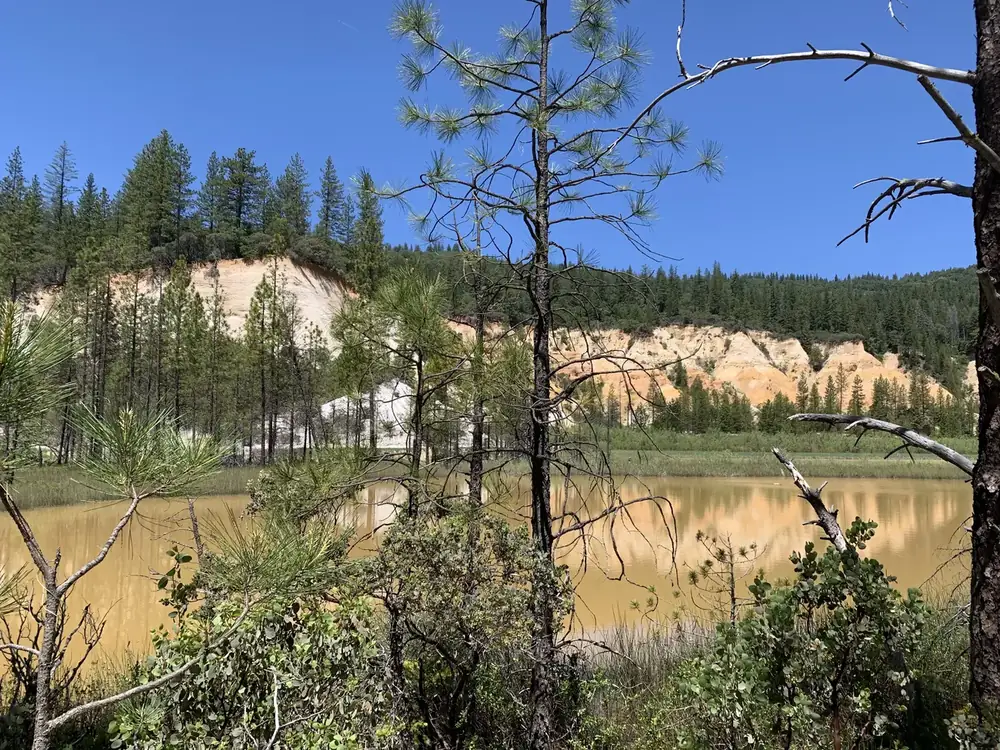
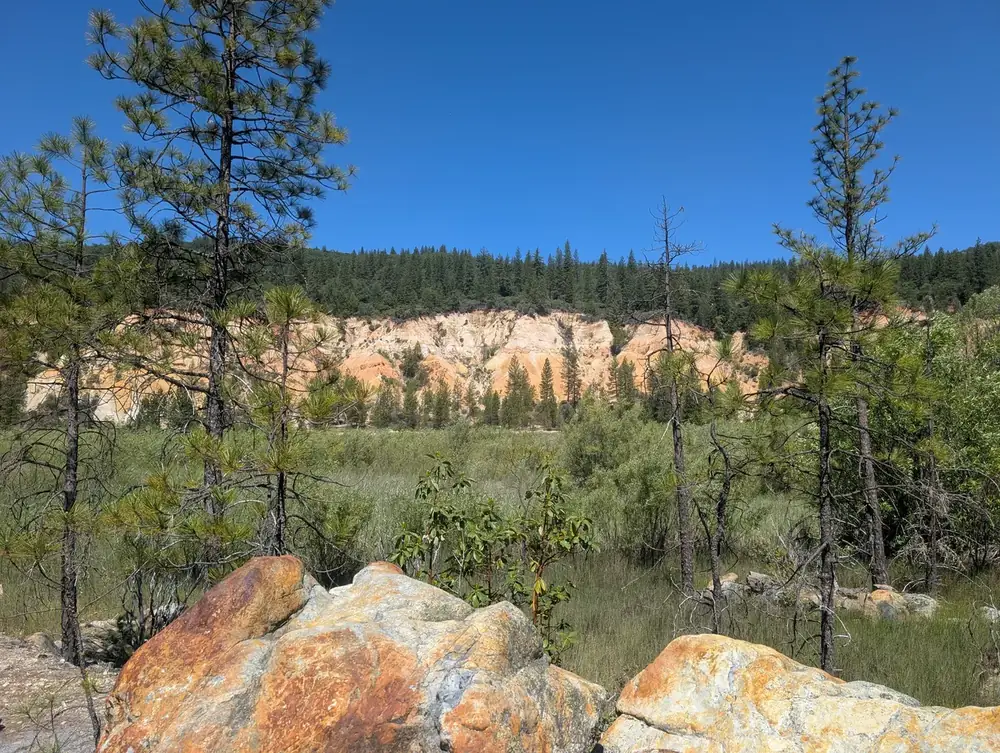
Stand at the overlook and try to understand the scale: the Malakoff pit is 6,800 feet long, 3,800 feet wide, and 600 feet deep. Forty-one million cubic yards of earth and gravel were removed between 1866 and 1884 — all of it blasted away by water cannons firing at 500 PSI.
One part gold per 12 million parts of gravel. The company spent $3 million building the operation and recovered $3.5 million in gold — at $17 per ounce. The math barely worked. The environmental cost did not.
Hydraulic mining contributed roughly one quarter of California's total gold yield. And it permanently changed the landscape of the Sierra Nevada, the Central Valley, and the rivers between them.
North Bloomfield's one-room schoolhouse served the children of miners, merchants, and townspeople through the height of the Gold Rush era. Education on the frontier was practical and brief — most children worked alongside their parents well before finishing any formal schooling.
_result.webp)
_result.webp)
The museum holds the full story of hydraulic mining — exhibits, artifacts, and a film that puts the scale of the Malakoff operation into context. (The film is dated and biased toward the mining side — which makes it a useful artifact in itself.)
This is where Hamilton Smith — the engineer who designed the North Bloomfield drain tunnel — would hold court. The tunnel: 7,878 feet long, 300 feet deep, dug by 15 crews simultaneously from 8 shafts. Completed November 15, 1874. Still considered one of the engineering feats of its era.
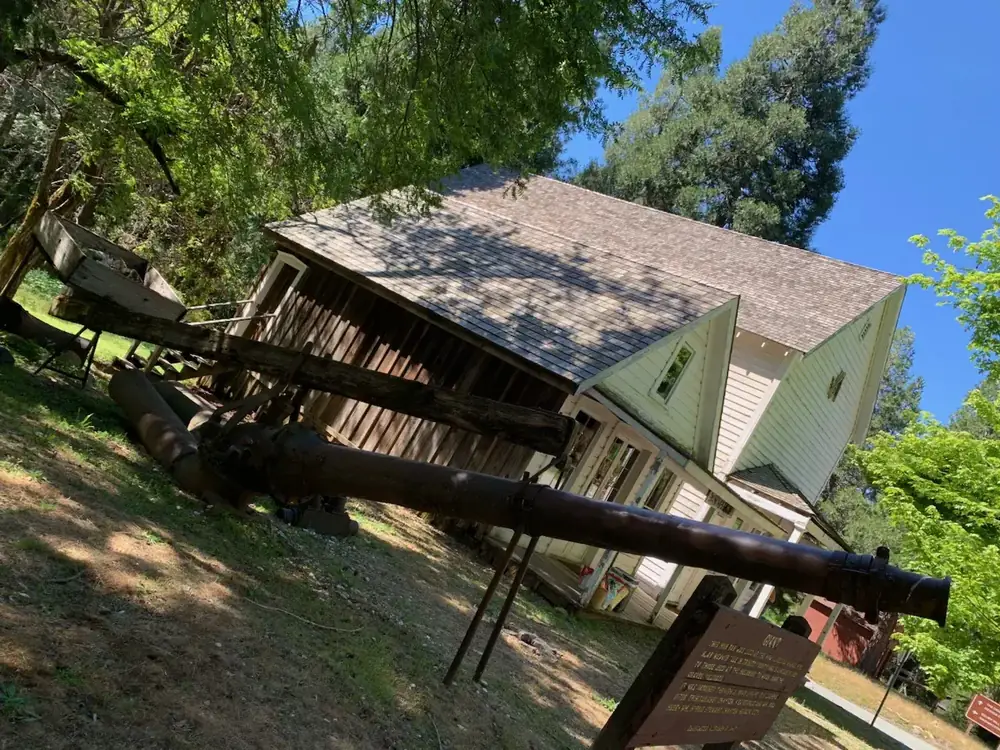
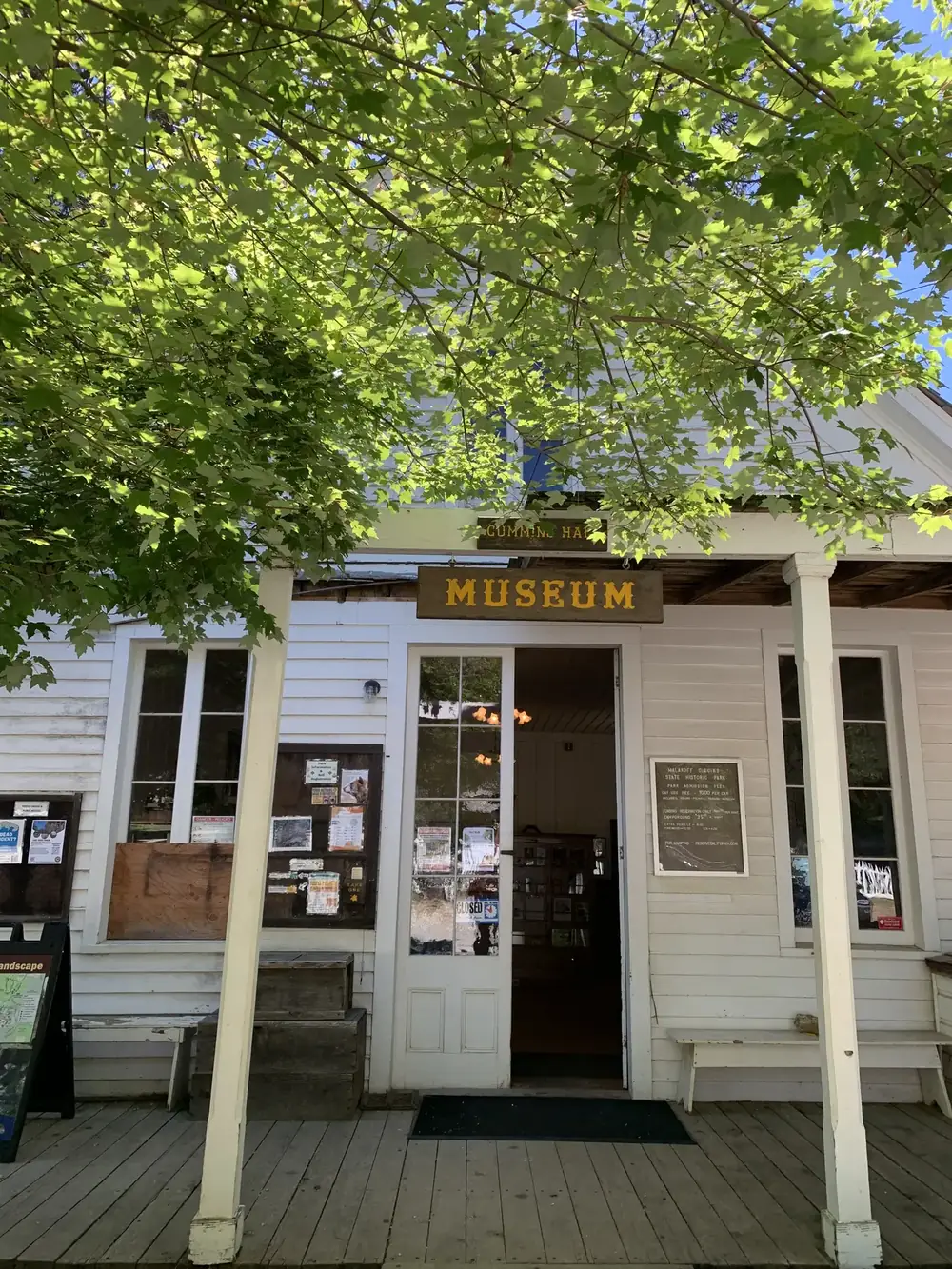
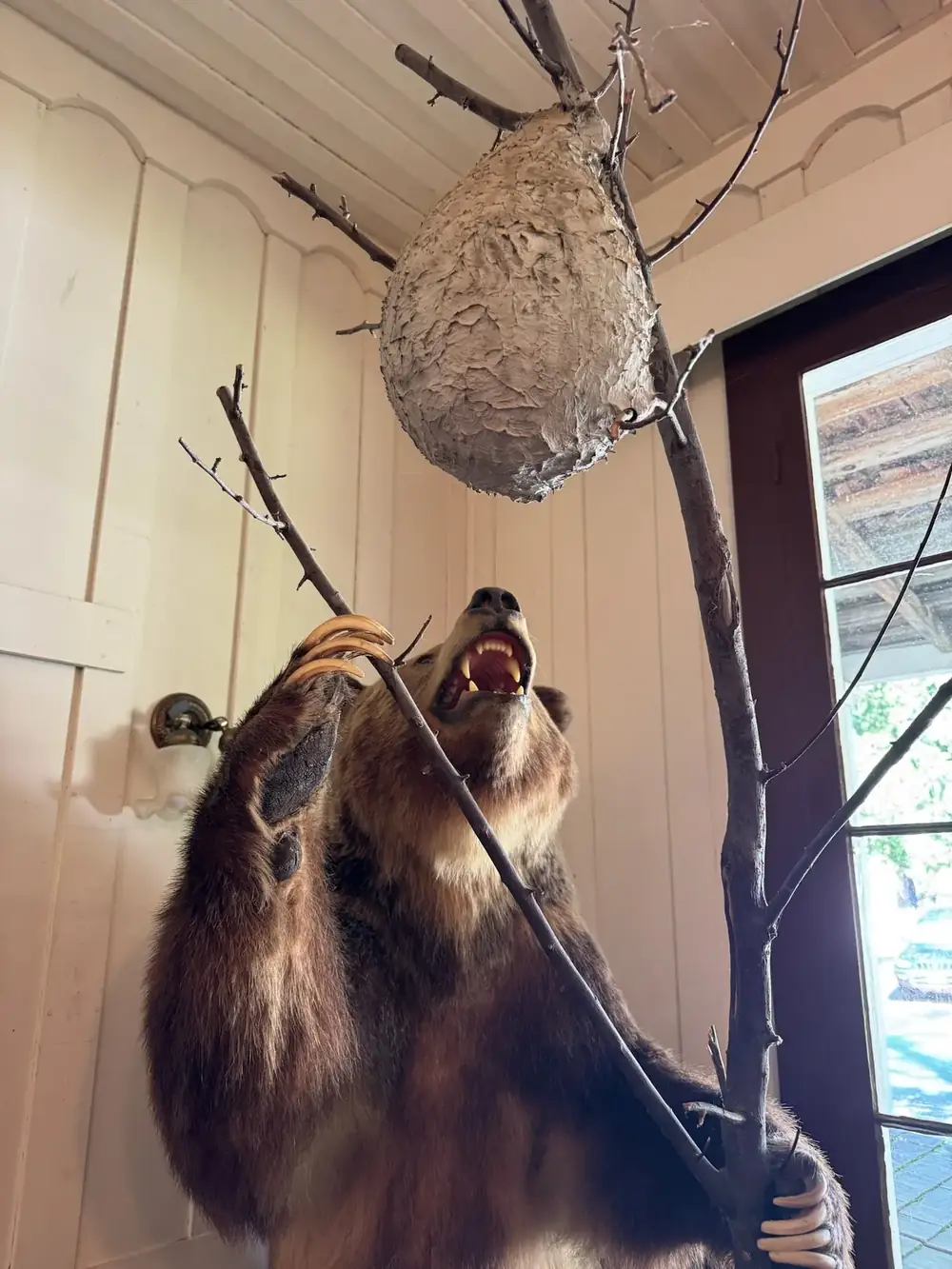
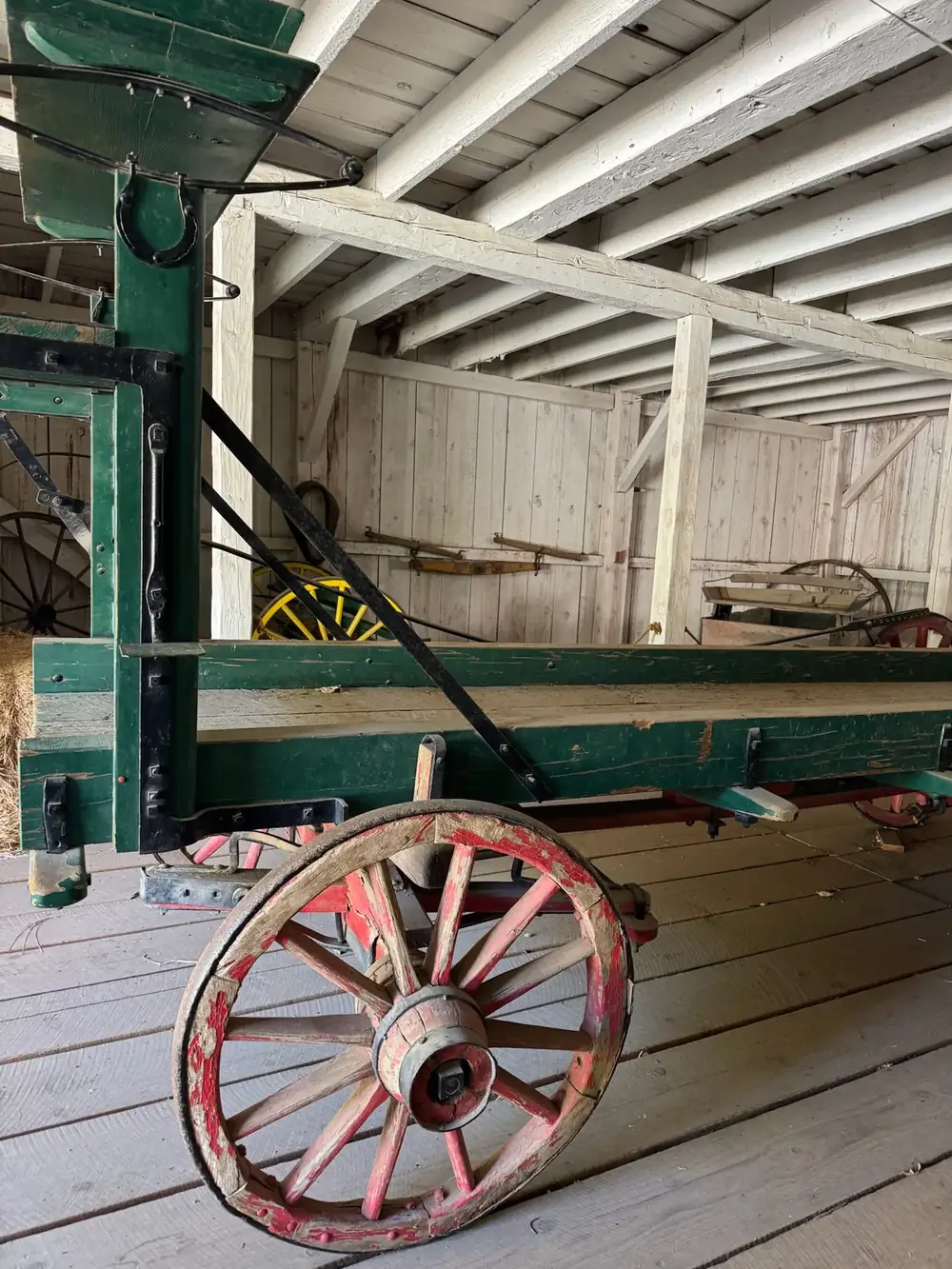
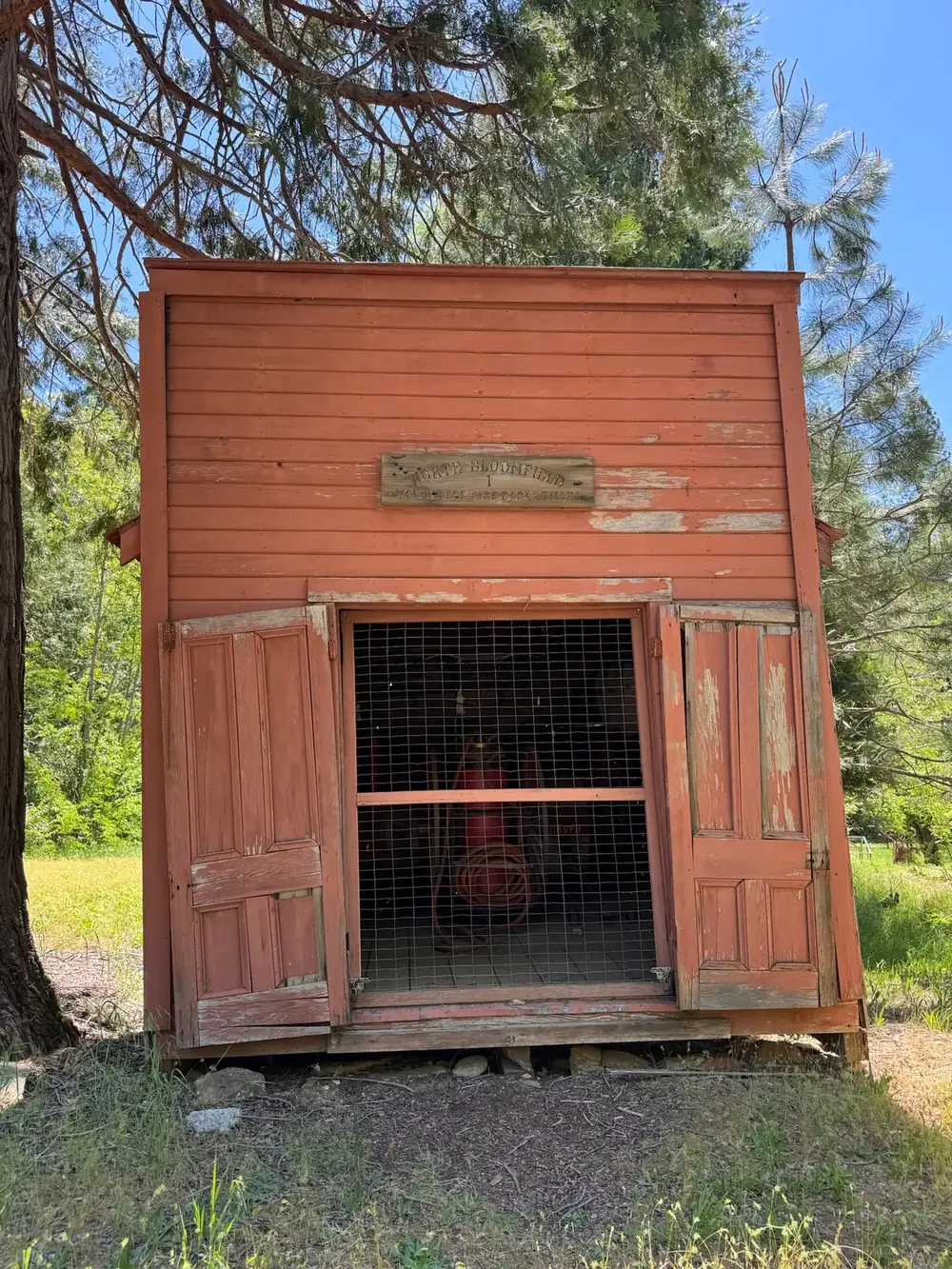
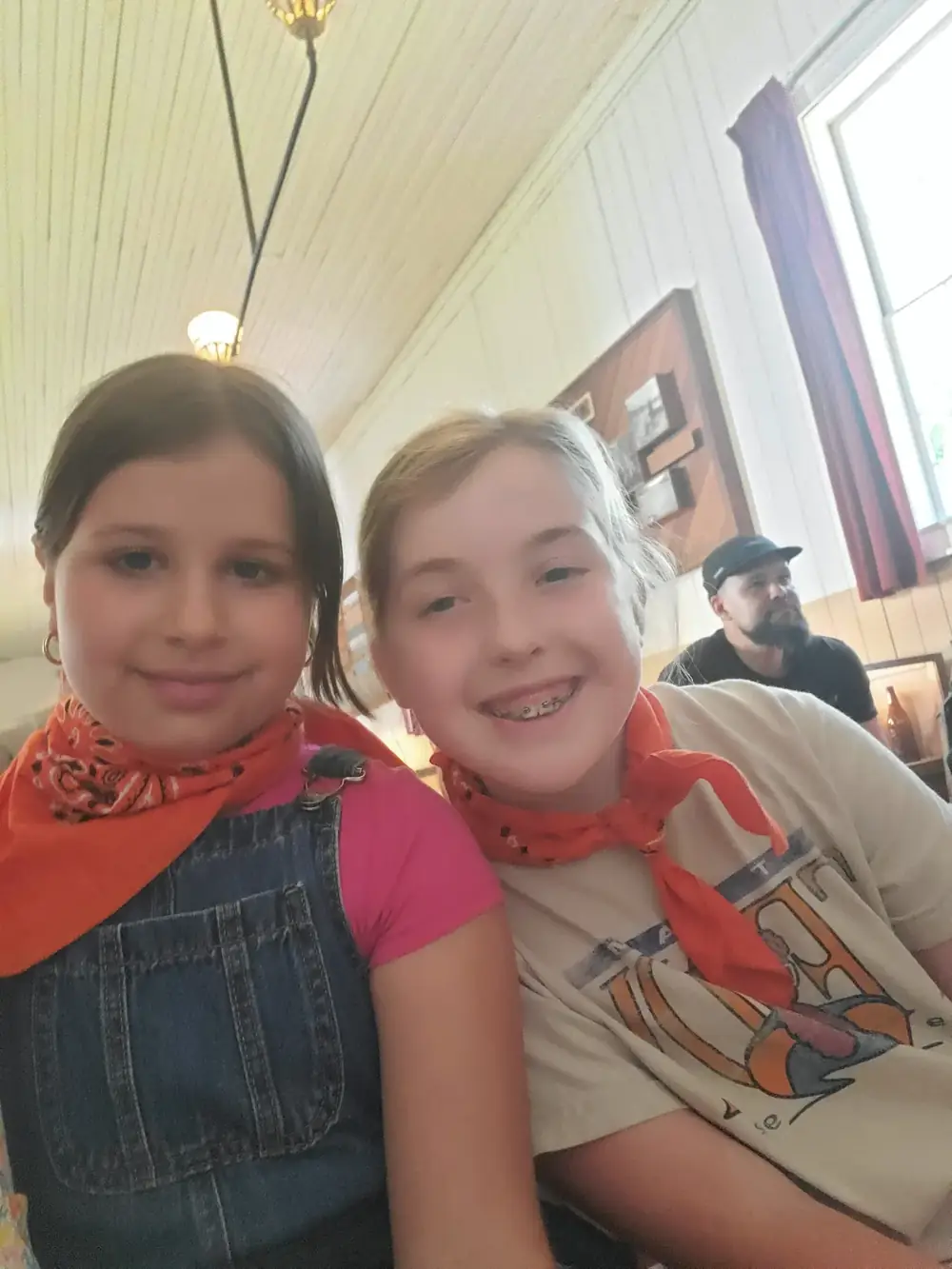
Misc photos from around North Bloomfield.